Plasma is often considered the fourth state of matter and is distinct from gases due to the ionization of its particles. In a plasma, the energy of the system is high enough to strip electrons from atoms, resulting in a mixture of positively charged ions and free electrons. This makes plasmas electrically conductive and responsive to magnetic and electric fields. Plasmas are commonly found in stars, including our Sun, as well as in phenomena like lightning and auroras. While gases may contain free-moving particles, plasmas are characterized by their ionized nature, giving them unique properties that set them apart from non-ionized gases.
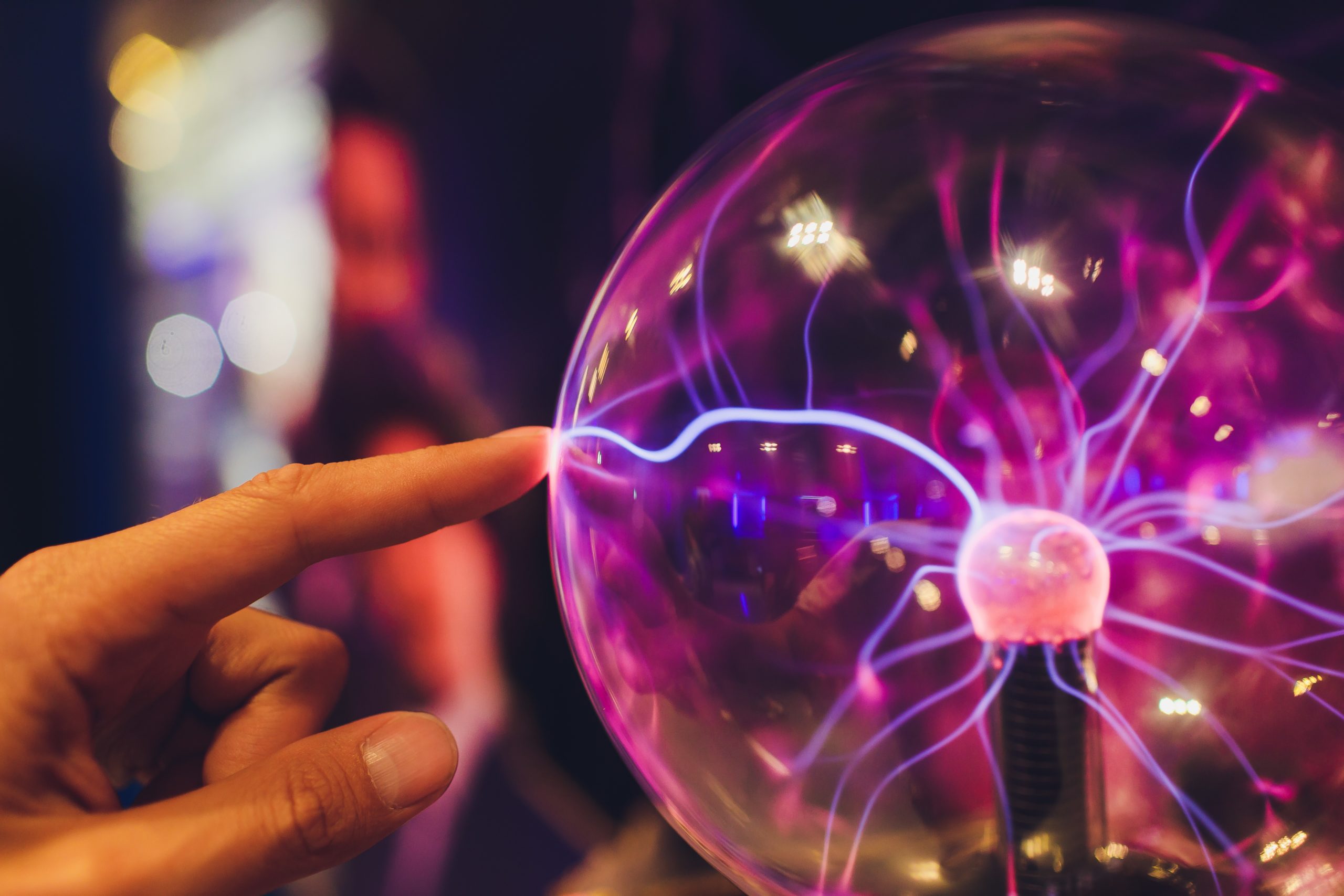

Plasmas are highly energetic, with particles moving at extremely high speeds, often at temperatures exceeding several thousand degrees Celsius. This high energy allows plasmas to conduct electricity, and they often emit light, which is why they can be seen glowing in phenomena like neon lights or plasma TVs. While plasma does not have a fixed shape or volume like solids or liquids, it behaves differently from gas due to its ionized particles and its interaction with electromagnetic fields. Plasmas are also found in some advanced technologies, including plasma arc welding, semiconductor manufacturing, and fusion reactors, due to their ability to carry electrical current and conduct heat.